

Navigating the Social Security Disability Insurance (SSDI) system is challenging at any age, but for those approaching retirement, the process comes with unique considerations. Many individuals over 60 who develop a serious medical condition often face a difficult choice: apply for disability or take early retirement. Unfortunately, choosing early retirement can permanently reduce future Social Security benefits.
Understanding how SSDI rules change after 60 — and working with an SSDI lawyer in Philadelphia — can make the process clearer and help ensure you receive the full benefits you’ve earned.
Why Age Matters in SSDI Applications
The Social Security Administration (SSA) reviews each application using a set of standards that consider your age, work history, education, and physical or mental limitations. When you are over 60, the SSA recognizes that finding new employment becomes much harder, especially if you live with a disability.
Because of this, the SSA uses a set of “grid rules” to determine eligibility for people nearing retirement age. These rules can make it easier to qualify for benefits if your condition prevents you from returning to your previous job or finding new work that matches your abilities.
What Are the Grid Rules?
The SSA’s grid rules combine several factors to decide whether you qualify for disability benefits:
- Age – The older you are, the more the SSA takes into account that transitioning into new work is difficult. For those 60 and above, the system leans toward approval if your condition limits your ability to perform your past work.
- Education – The SSA evaluates your educational background to determine whether you could realistically adapt to another type of work. If you have limited education, this can support your SSDI claim.
- Work Experience – Your past work is reviewed to see whether it qualifies as “substantial gainful activity.” If you cannot perform the same type of work you did before due to your disability, this strengthens your claim.
- Residual Functional Capacity (RFC) – RFC measures how much work you can still do despite your limitations. This includes physical strength, mobility, and the ability to concentrate or follow directions.
A SSDI lawyer can help ensure these factors are properly represented in your application so the SSA fully understands how your disability affects your ability to work.
Why SSDI May Be a Better Choice Than Early Retirement
Once you turn 62, early retirement benefits become available, but taking them before full retirement age permanently reduces the amount you receive each month. SSDI benefits, on the other hand, are paid at the same rate you would receive at full retirement age.
If approved for a SSD, you receive your full benefits, and once you reach retirement age, your disability benefits automatically convert to standard Social Security retirement payments. This means no loss in lifetime benefits. Applying for a SSD instead of early retirement can provide a long-term financial advantage and help protect your future income.
Common Challenges for Applicants Over 60
Even though SSA rules are more favorable for older workers, approval is not automatic. Common reasons for delays or denials include:
- Missing or incomplete medical documentation
- Errors in work history or employment information
- Insufficient evidence that your condition prevents you from working
- Failing to file required forms or meet deadlines
A SSDI lawyer can help you avoid these issues by ensuring that your application is detailed, accurate, and supported by clear medical evidence. They can also track deadlines and handle communication with the SSA on your behalf, giving you peace of mind throughout the process.
What Happens if You Are Denied?
If your SSDI application is denied, you still have options. You can request a reconsideration within 60 days, and if that is also denied, you can request a hearing before an Administrative Law Judge.
At this stage, having an SSDI lawyer becomes especially helpful. They can review your original application, identify where information may have been unclear or incomplete, and help you gather new evidence to support your claim.
How to Strengthen Your SSDI Claim
If you are preparing to apply, consider taking these steps to improve your chances of approval:
- Keep detailed records of all medical appointments and test results.
- Ask your doctors to clearly describe your physical or mental limitations in their notes.
- Document how your condition affects your daily activities and ability to work.
- Submit all requested forms promptly and completely.
The SSA relies heavily on medical and employment records to make its decision. Providing as much accurate and detailed information as possible can make your application stronger.
Get Guidance From a SSDI Lawyer in Philadelphia
If you are over 60 and living with a disability that prevents you from working, applying for SSD may be one of the most important financial steps you take. The process can be time-consuming and complex, but you don’t have to handle it alone.
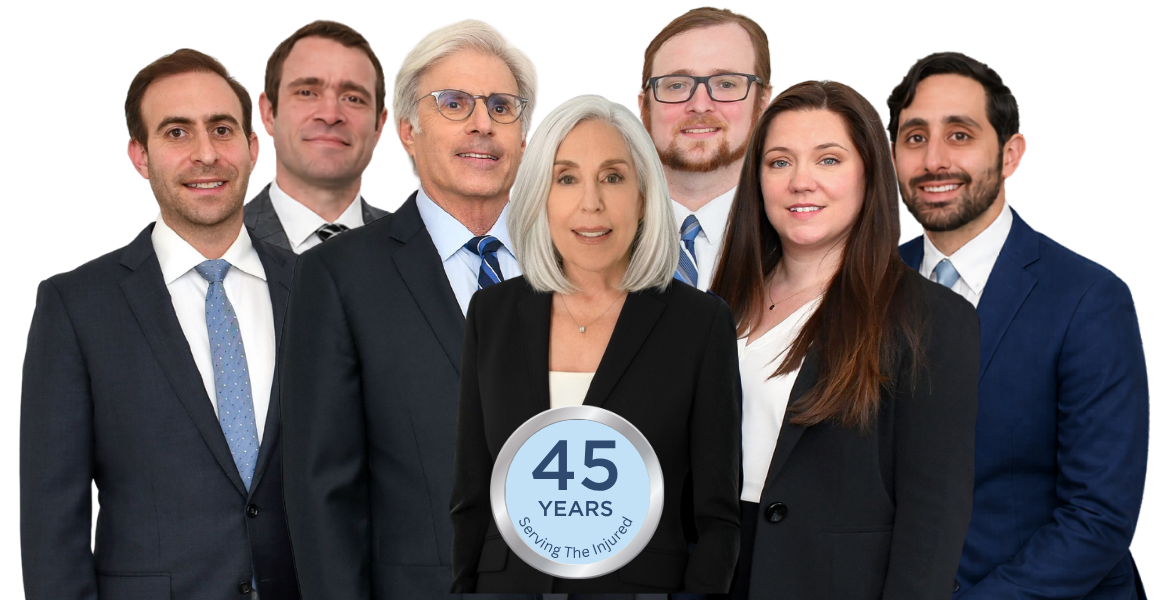
At Silver & Silver, one of our SSDI lawyers can guide you through each stage of the process — from filing your initial claim to managing an appeal if necessary. Our team will help ensure that your age, work history, and medical condition are accurately represented so you have the best possible chance at approval.
Reach out to schedule a consultation. We’re here to help you understand your rights and secure the benefits you’ve earned.
Disclosure:
This website is designed to provide only general information. The information presented on this website is not formal legal advice. You should not rely on any general information from any source for making legal decisions. Each legal matter is unique and requires specific attention from a qualified and experienced attorney. Unless a representation agreement has been signed with the Law Offices of Silver and Silver, we are not your legal representatives.