

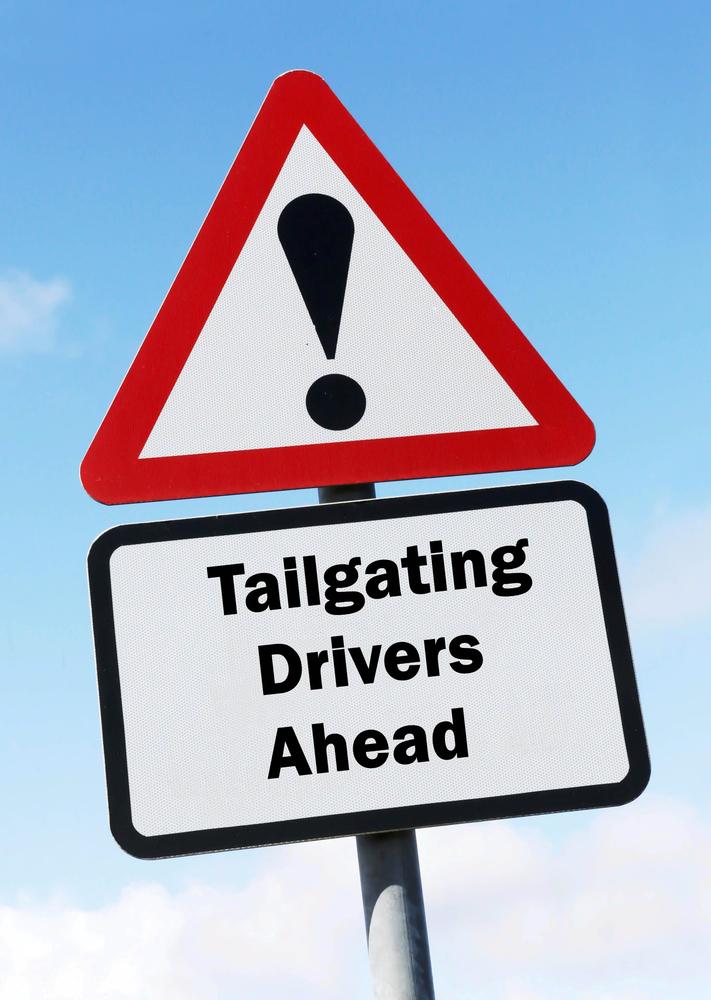
 Most motorists have been guilty of tailgating out on the road at one point or another. Maybe you have, too. Whether it’s because you’re in a hurry, feeling impatient, or you’re just not paying close enough attention, you end up following too closely behind the car in front of you and breaking those “rules of the road” you learned back in drivers’ education class.
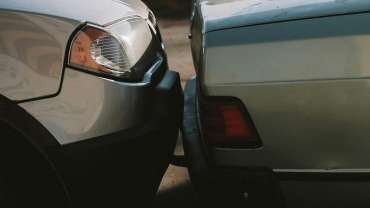
It doesn’t matter if tailgating happens on purpose or is just an act of carelessness. It’s always potentially dangerous, and it often results in accidents and injuries. In fact, according to the National Highway Traffic Safety Administration, one-third of all car crashes involve rear-end collisions.
At Silver & Silver, home to some of the leading personal injury lawyers in Philadelphia, PA, we see the negative consequences of tailgating firsthand, every day. No matter what season it is, there is always a threat of inclement weather. It’s more important than ever for Pennsylvania drivers to be vigilant about their following distance.
We’re here to help if you are rear-ended by another driver and need an attorney to fight for the compensation you need to treat your injuries. Let’s take a closer look at how “safe following distance” is defined and how you can protect yourself.
What is Safe Following Distance?
Pennsylvania law stipulates that drivers should be “reasonable and prudent” regarding how closely they follow the car in front of them, taking into account road conditions and speed of travel. But let’s face it, people sometimes throw judgment out the window when they get behind the wheel.
There is an actual equation for calculating safe following distance, and it looks like this: Reaction Distance + Braking Distance = Stopping Distance.